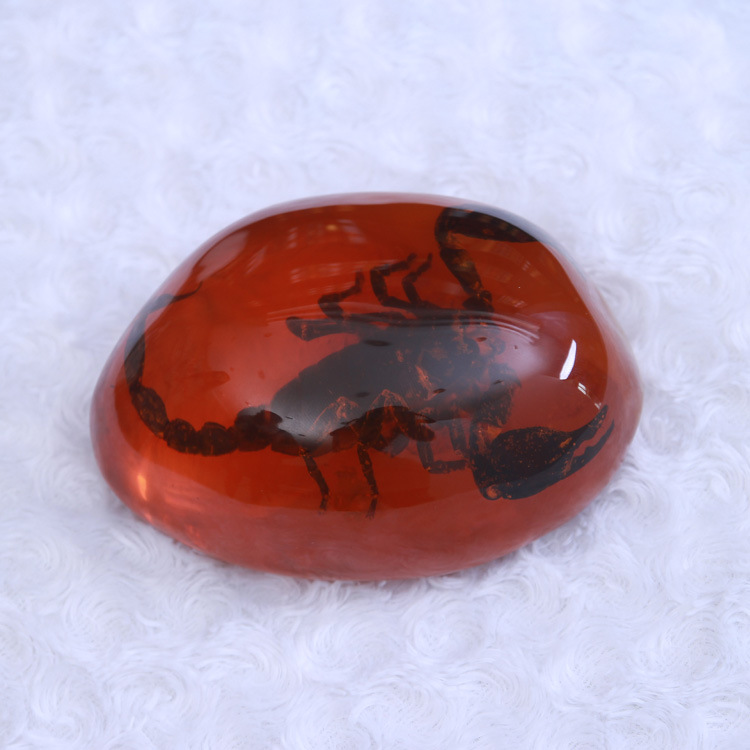
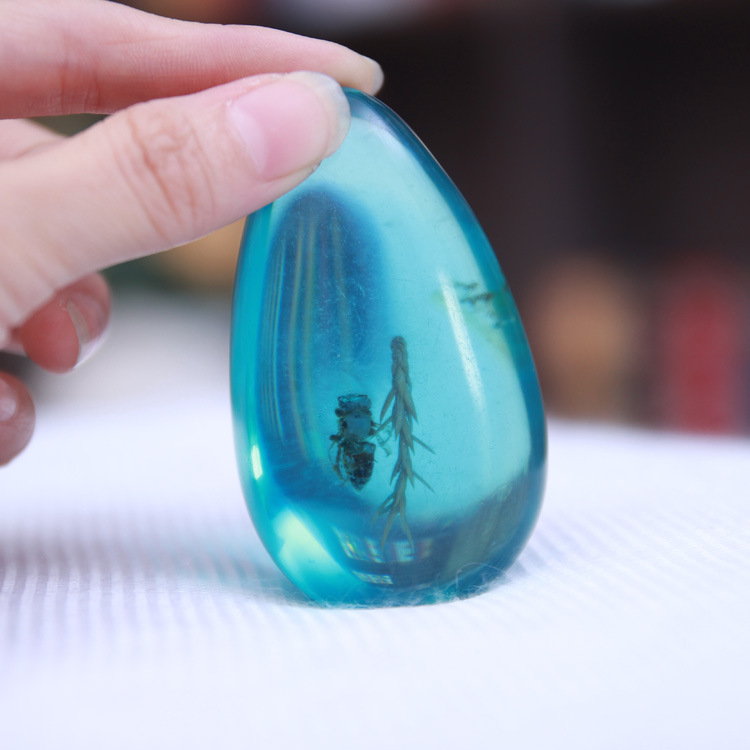
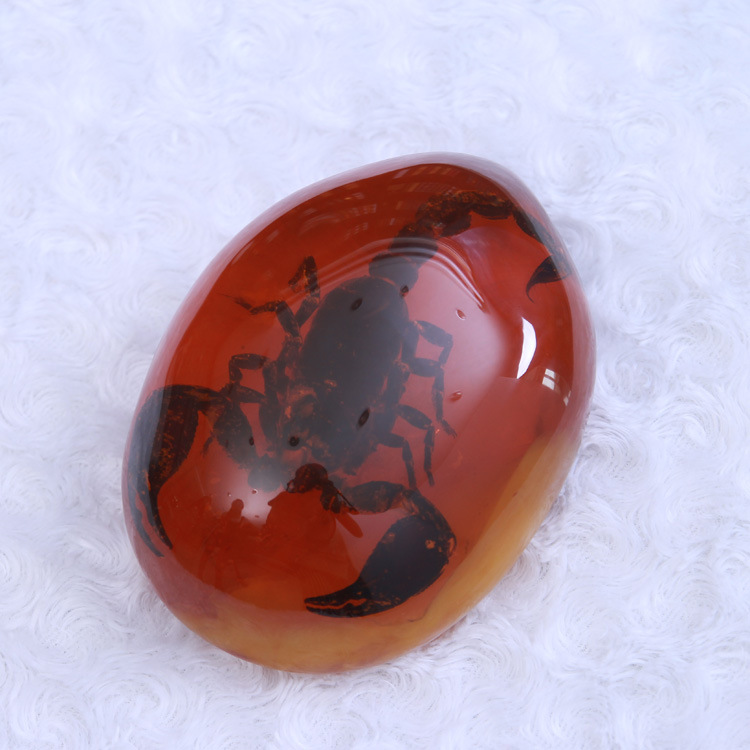
琥珀蜜蜡原石批发
琥珀蜜蜡批发 琥珀蜜蜡价格 琥珀蜜蜡厂家
【货到付款、附送广告布、录音U盘】
什么是琥珀?
产品一般在集市,庙会等人群比较集中的地方销售,用砂纸打磨抛光。不管有无经验皆可操作。适合上班稳定下班想做兼职的,全职摆摊的人群销售。一日赚个500到1000很轻松!!,市场建议零售价3-8元/克。
订购热线 :15811042829
公司QQ|微信 : 15811042829












When Belisarius heard this, he told some of his guards to make away with Theodosius, but the latter, being warned in time, fled to Ephesus: for the greater part of Belisarius’s followers, influenced by the natural weakness of his character, were at more pains to please his wife than to show their devotion to him; and this was why they disclosed to her the orders they had received concerning Theodosius. When Constantine saw Belisarius’s sorrow at what had befallen him, he sympathized with him, but was so imprudent as to add: “For my own part, I would have killed the woman rather than the youth.”
This having been reported to Antonina, she conceived a secret hatred for him, until she could make him feel the weight of her resentment; for she was like a scorpion, and knew how to hide her venom.
Not long afterwards, either by enchantments or by caresses, she persuaded her husband that the accusation brought against her was false; whereupon, without any hesitation, he sent for Theodosius, and promised to deliver up to his wife Macedonia and the boys, which he afterwards did. It is said that she first cut out their tongues, and then ordered them to be hewn in pieces, put into sacks and thrown into the sea. In this bloody deed she was assisted by one of her slaves named Eugenius, who had also been one of those who perpetrated the outrage on Silverius.
Shortly afterwards, Belisarius was persuaded by his wife to kill Constantine. What I have already recounted about Praesidius and his daggers belongs to this period. Belisarius would have let him go, but Antonina would not rest until she had exacted vengeance for the words which I have just repeated. This murder stirred up a great hatred against Belisarius on the part of the Emperor and of the chief nobles of the Empire.
Such was the course of events. Meanwhile, Theodosius refused to return to Italy, where Belisarius and Antonina were then staying, unless Photius were sent out of the way; for Photius was naturally disposed to show his spite against anyone who supplanted him in another’s good graces; but he was quite right in feeling jealous of Theodosius, because he himself, although Antonina’s son, was quite neglected, whereas the other was exceedingly powerful and had amassed great riches. They say that he had taken treasure amounting to a hundred centenars of gold [about £400,000] from the treasure-houses of the two cities of Carthage and Ravenna, since he had obtained sole and absolute control of the management of them.
When Antonina heard this determination of Theodosius, she never ceased to lay traps for her son and to concoct unnatural plots against him, until she made him see that he must leave her and retire to Byzantium; for he could no longer endure the designs against his life. At the same time she made Theodosius return to Italy, where she enjoyed to the full the society of her lover, thanks to the easy good-nature of her husband. Later on, she returned to Byzantium in company with both of them. It was there that Theodosius became alarmed lest their intimacy should become known, and was greatly embarrassed, not knowing what to do. That it could remain undetected to the end he felt was impossible, for he saw that the woman was no longer able to conceal her passion, and indulge it in secret, but was an open and avowed adulteress, and did not blush to be called so.
For this reason he returned to Ephesus, and after having submitted to the tonsure, joined the monastic order. At this Antonina entirely lost her reason, showed her distress by putting on mourning and by her general behaviour, and roamed about the house, wailing and lamenting (even in the presence of her husband) the good friend she had lost—so faithful, so pleasant, so tender a companion, so prompt in action. At last she even won over her husband, who began to utter the same lamentations. The poor fool kept calling for the return of his well-beloved Theodosius, and afterwards went to the Emperor and besought him and the Empress, till he prevailed upon them to send for Theodosius, as a man whose services always had been and always would be indispensable in the household. Theodosius, however, refused to obey, declaring that it was his fixed determination to remain in the cloister and embrace the monastic life. But this language was by no means sincere, for it was his intention, as soon as Belisarius left the country, to rejoin Antonina by stealth at Byzantium, as, in fact, he did.
 898995850